




The Art of Spatial Metamorphosis Through Creative Design
Interior design transcends mere aesthetic arrangement—it's an alchemical process that transforms mundane spaces into extraordinary sanctuaries. The modern dwelling craves ingenuity, yearning for distinctive touches that reflect personality while maximizing functional potential. Creative home decor ideas serve as catalysts for this transformation, breathing life into sterile environments and crafting atmospheres that resonate with inhabitants on profound emotional levels.
Contemporary homeowners increasingly seek unconventional approaches to spatial enhancement. The proliferation of DIY culture has democratized interior design, enabling individuals to curate personalized environments without astronomical budgets. This paradigm shift emphasizes creativity over capital expenditure, encouraging experimentation with innovative materials, repurposed objects, and artisanal craftsmanship.
Miniature Worlds: Enchanting Focal Points for Literary Enthusiasts
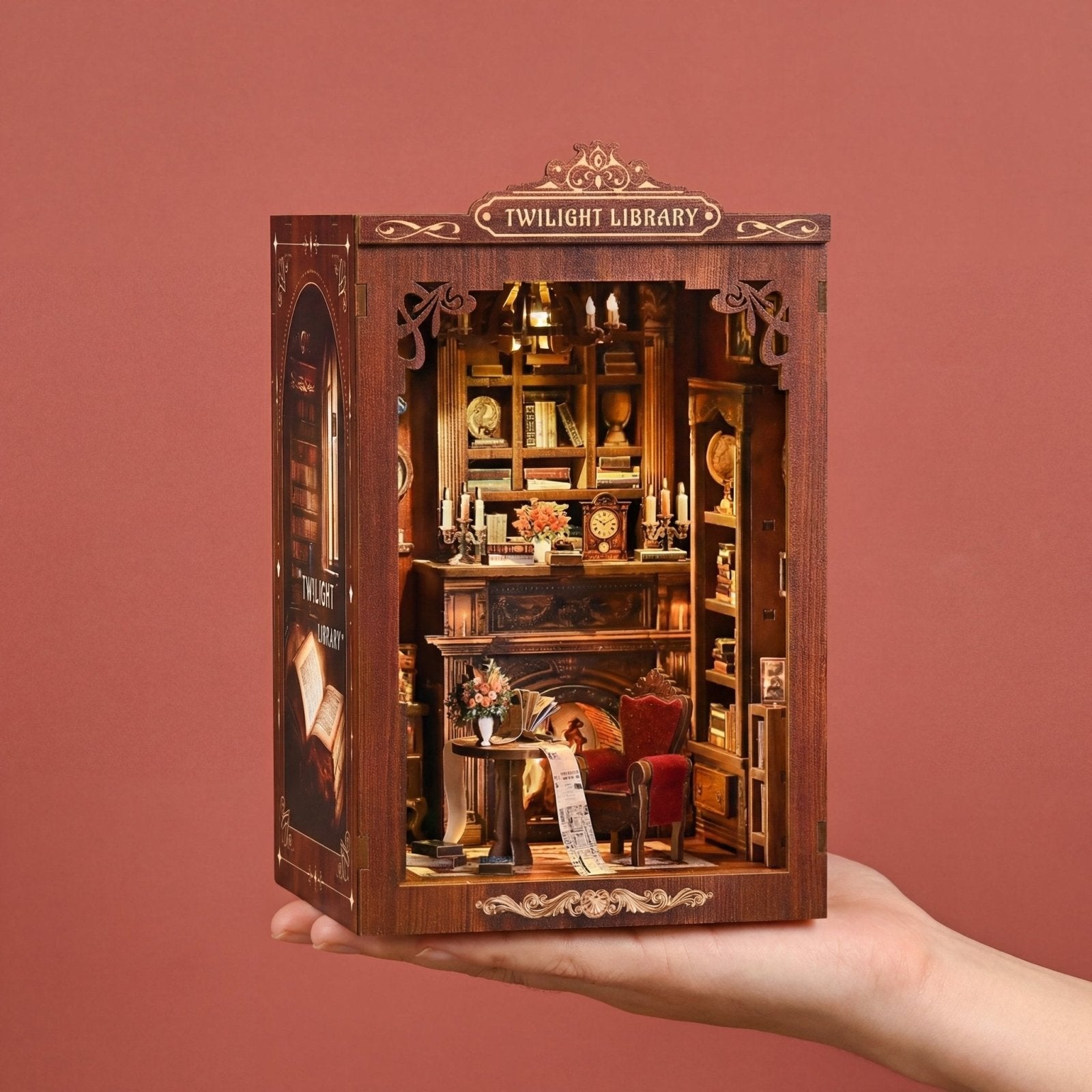
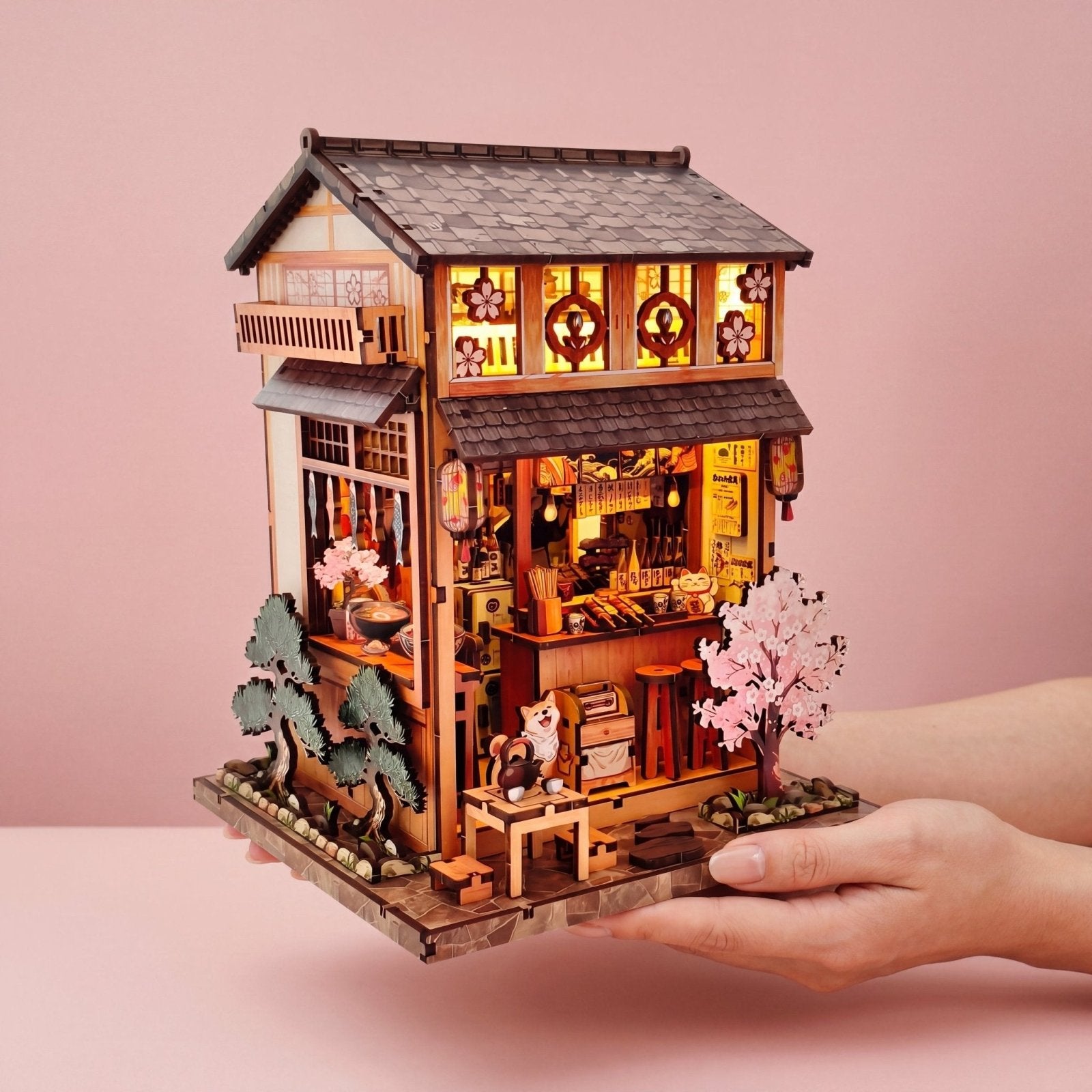
Book nooks represent an emerging trend in creative home decor that captivates bibliophiles and crafting aficionados alike. These diminutive dioramas nestle between volumes on bookshelves, creating magical vignettes that transport observers into fantastical realms. The meticulous attention to detail required for constructing these miniature masterpieces offers therapeutic benefits while producing stunning decorative elements.
The therapeutic nature of miniature construction extends beyond mere assembly. Each component requires careful consideration, from microscopic furniture placement to LED lighting integration. This meditative process cultivates mindfulness while developing fine motor skills and spatial reasoning capabilities. The resulting installations serve as conversation starters, drawing guests into intimate examinations of craftsmanship and creativity.
For those seeking to embark on this enchanting journey, exploring curated collections of high-quality miniature kits provides an excellent starting point. These comprehensive packages include precision-cut materials, detailed instructions, and all necessary components for creating professional-grade installations. The accessibility of such kits democratizes the art form, enabling novices to achieve sophisticated results while experienced crafters can focus on customization and personalization.
Illuminated Miniature Landscapes
Strategic lighting transforms miniature installations from static displays into dynamic focal points. Warm LED strips create atmospheric glows that emphasize architectural details and establish emotional connections with viewers. The interplay between shadow and illumination adds depth perception, making compact spaces appear expansive and inviting.
Advanced practitioners incorporate programmable lighting systems that cycle through different color temperatures throughout the day. This technique mirrors natural lighting patterns, creating living displays that evolve with circadian rhythms. Such sophistication elevates miniature installations from mere decorative objects to interactive environmental art pieces.
Thematic Coherence in Miniature Design
Successful miniature installations maintain thematic consistency while incorporating personal touches. Victorian-era scenes benefit from rich fabrics, ornate furnishings, and warm color palettes. Contemporary themes embrace minimalist aesthetics, clean lines, and neutral tones. This thematic approach ensures visual harmony while allowing for creative interpretation within established parameters.
"The beauty of miniature crafting lies in its ability to compress entire worlds into spaces smaller than coffee cups, yet somehow contain infinity within their boundaries."
Vertical Gardening: Living Walls as Natural Artwork
Vertical gardening revolutionizes spatial utilization while introducing biophilic elements that enhance mental wellbeing. These living installations purify air quality, regulate humidity levels, and provide visual respite from digital environments. The dynamic nature of growing plants ensures perpetual evolution, creating displays that change seasonally and respond to care patterns.
Implementation strategies vary from sophisticated hydroponic systems to simple pocket planters. Modular approaches enable gradual expansion, allowing homeowners to start small and develop expertise before investing in comprehensive installations. This scalability makes vertical gardening accessible to renters and homeowners alike, regardless of spatial constraints or horticultural experience.
Species Selection for Indoor Vertical Gardens
Successful vertical gardens require careful plant selection based on lighting conditions, maintenance requirements, and aesthetic preferences. Low-light environments favor pothos, snake plants, and ZZ plants, while bright spaces accommodate flowering varieties and edible herbs. Understanding growth patterns prevents overcrowding while ensuring visual balance throughout the installation's lifecycle.
Microclimate considerations become crucial when combining multiple species within single installations. Plants with similar water and nutrient requirements should cluster together, while those preferring drier conditions occupy separate zones. This strategic arrangement maximizes plant health while minimizing maintenance complexity.
Irrigation Systems for Vertical Installations
Sophisticated drip irrigation systems automate watering while preventing overflow damage to flooring and furnishings. These systems incorporate timers, moisture sensors, and collection reservoirs that maintain optimal growing conditions without constant human intervention. The initial investment in proper irrigation infrastructure pays dividends through reduced maintenance requirements and improved plant vitality.
Multifunctional Furniture: Maximizing Utility Through Ingenious Design
Space optimization demands furniture that serves multiple purposes without compromising aesthetic appeal. Ottoman storage units provide seating while concealing clutter. Expandable dining tables accommodate intimate dinners and large gatherings with equal grace. These multifunctional pieces demonstrate that practicality and beauty need not exist in opposition.
The resurgence of modular furniture systems reflects contemporary preferences for adaptability. Components can be rearranged to suit changing needs, from work-from-home setups to entertainment configurations. This flexibility proves particularly valuable in urban environments where spatial constraints demand creative solutions.
Hidden Storage Solutions
Concealed storage maintains clean aesthetic lines while maximizing organizational capacity. Hollow coffee tables accommodate books, electronics, and seasonal items without visual disruption. Bed frames with integrated drawers eliminate the need for separate dressers in compact bedrooms. These solutions prove that efficient organization enhances rather than detracts from visual appeal.
| Furniture Type | Primary Function | Secondary Function | Space Efficiency |
|---|---|---|---|
| Storage Ottoman | Seating | Hidden Storage | High |
| Murphy Desk | Workspace | Wall Art | Very High |
| Nesting Tables | Surface Area | Compact Storage | Medium |
| Sofa Bed | Seating | Sleeping Surface | High |
Transformative Workspaces
Murphy desks epitomize space-efficient design by transforming from functional workstations to decorative wall art with simple movements. These installations prove invaluable in studio apartments and multi-purpose rooms where dedicated office spaces remain impractical. When folded, the desk surface becomes a canvas for artwork, mirrors, or organizational systems.
Textural Contrast: Creating Visual Interest Through Material Juxtaposition
Masterful interior design relies heavily on textural interplay to create environments that engage multiple senses simultaneously. Rough-hewn wood paired with smooth metals generates dynamic tension that captivates observers. Plush fabrics contrasting with polished ceramics establish tactile hierarchies that invite exploration and interaction.
This approach transcends mere visual appeal by acknowledging humans' innate desire for sensory variety. Environments featuring textural monotony feel sterile and unwelcoming, while spaces incorporating diverse materials create memorable experiences that encourage prolonged habitation.
Natural Material Integration
Incorporating organic textures connects indoor environments with natural worlds, satisfying biophilic needs while introducing visual complexity. Live-edge wood slabs showcase nature's asymmetrical beauty. River stones arranged in geometric patterns bridge organic randomness with human order. These elements ground spaces in earthly aesthetics while maintaining sophisticated design sensibilities.
- Reclaimed barn wood accent walls
- Natural fiber rugs and tapestries
- Stone or concrete decorative elements
- Woven baskets for storage and display
- Cork board installations for organization
Metallic Accents and Industrial Elements
Strategic metallic integration adds sophistication while reflecting light throughout spaces. Brushed copper fixtures warm cool color palettes. Matte black steel provides contemporary edge to traditional environments. The key lies in restraint—metallic elements should accentuate rather than dominate spatial compositions.
Industrial materials like exposed brick, concrete surfaces, and raw steel bring urban authenticity to residential settings. These elements work particularly well in loft-style spaces where architectural honesty becomes decorative advantage. When balanced with softer textures, industrial materials create compelling contrasts that prevent environments from feeling harsh or unwelcoming.
Color Psychology: Orchestrating Emotional Responses Through Strategic Palettes
Color selection profoundly influences psychological states and behavioral patterns within interior environments. Cool blues promote tranquility and focus, making them ideal for bedrooms and study areas. Warm oranges and yellows stimulate creativity and social interaction, perfect for kitchens and gathering spaces. Understanding these psychological triggers enables intentional mood cultivation through strategic color application.
The sophisticated approach involves creating color stories that evolve throughout living spaces. Transitional areas might bridge contrasting palettes, creating smooth visual flows that guide movement patterns. This technique prevents jarring contrasts while maintaining distinct atmospheric zones within open-concept layouts.
Monochromatic Sophistication
Monochromatic schemes demonstrate that color limitation enhances rather than restricts creative potential. Varying shades, tints, and saturations of single hues create depth without visual chaos. This approach requires careful attention to texture and pattern variation to prevent monotony. The resulting environments feel cohesive and intentional while showcasing design sophistication.
Accent Color Integration
Strategic accent colors energize neutral foundations without overwhelming spatial harmony. The 60-30-10 rule provides reliable guidance: 60% dominant neutral, 30% secondary color, 10% bold accent. This formula ensures visual balance while allowing personality expression through carefully chosen pops of vibrant hue.
What techniques have you found most effective for maintaining color balance in your own spaces? The answer often lies in observing natural color combinations found in landscapes, botanical specimens, or architectural photography. These organic palettes have evolved over millennia to create pleasing visual experiences, making them reliable inspiration sources for interior applications.
The transformation of living spaces through creative home decor ideas requires patience, experimentation, and willingness to embrace unconventional solutions. Each technique discussed offers pathways toward personalized environments that reflect individual personalities while meeting practical needs. The most successful implementations combine multiple approaches, creating layered compositions that reveal new details upon repeated examination.
Whether pursuing miniature crafting, vertical gardening, multifunctional furniture, textural contrast, or strategic color application, the key lies in thoughtful execution rather than expensive materials. Creativity trumps capital in the realm of interior design, enabling anyone to craft extraordinary spaces regardless of budgetary constraints.
